
Almost every vehicle we've ever sourced for a customer came through one of three companies: Copart, IAAI, or Manheim. If you've spent any time researching how to buy a U.S. auction car, you've likely seen all three names thrown around interchangeably — but they're not the same, and which one a car comes from can tell you something about its condition, its title, and how competitive the bidding is likely to be.
Copart
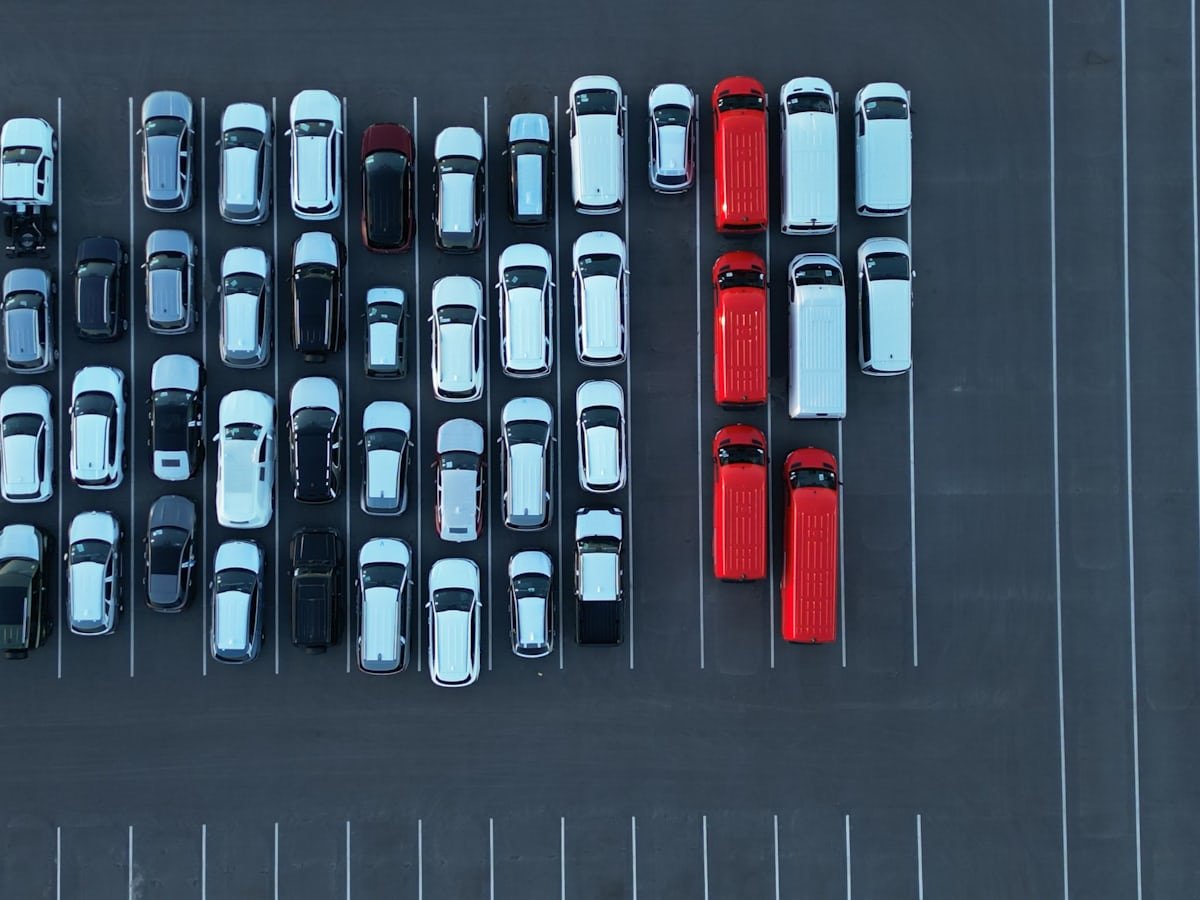
Copart is the largest of the three by volume and the name most people mean when they say "salvage auction." It's built primarily around insurance-company inventory — cars written off after accidents, floods, hail and theft recoveries — sold through an online bidding platform (Copart's "VB3" and CA! buy-now formats) to licensed dealers and brokers worldwide. Copart's scale means the widest selection: on any given day there are tens of thousands of live lots, which is useful when a customer's brief is specific about trim level or color.
Copart yards are spread across nearly every U.S. state, which is why the location of the specific yard — not just "Copart" as a brand — is what actually determines towing and shipping cost.
IAAI (Insurance Auto Auctions)
IAAI is Copart's closest competitor and runs on a similar model: primarily insurance total-loss vehicles, bid through an online platform, restricted to licensed buyers. In practice, the two auction houses often have overlapping but not identical inventory, since different insurers contract with different auction networks. A buyer who only searches one of the two is missing a meaningful slice of the market — which is why a good sourcing partner checks both rather than defaulting to whichever platform they're most comfortable with.
Manheim
Manheim operates differently. It's the largest wholesale auto auction network in the U.S., but its inventory skews toward dealer-consignment and off-lease vehicles rather than insurance salvage — meaning a higher proportion of clean-title, mechanically sound cars coming off rental fleets, dealer trade-ins and lease returns. Prices are correspondingly higher than a comparable salvage-title car from Copart or IAAI, but you're often buying a vehicle with no collision history at all. Manheim is the right hunting ground when a customer specifically wants a clean title and is budgeting for the retail-adjacent price that comes with it.
How this affects your price and options
| Auction house | Typical inventory | Title status | Relative price |
|---|---|---|---|
| Copart | Insurance total-loss, widest selection | Mostly salvage | Lowest |
| IAAI | Insurance total-loss, overlapping with Copart | Mostly salvage | Lowest |
| Manheim | Dealer consignment, off-lease, fleet | Mostly clean | Higher |
Every one of these fee structures and title categories rolls into the same landed-cost math — buyer fee, towing, freight and duty all still apply regardless of which house the car came from. Run any bid price through our cost estimator to see the full breakdown before you commit.
Why licensing matters here more than most buyers realize
All three platforms restrict bidding to registered dealer or broker accounts — you cannot simply sign up as an individual overseas and place a bid. This is precisely why sourcing goes through a buyer with an active, licensed account rather than a marketplace you can browse directly. The two things worth confirming with any buyer are: which auction houses they actually hold accounts with, and whether they'll show you the real invoice from that house once a lot is won — not a summary that could hide a marked-up fee.
The bottom line
Copart and IAAI are where the value is — deep salvage inventory at auction prices, best suited to buyers comfortable with disclosed damage (see our guide to reading a salvage title properly). Manheim is where you go for a clean-title vehicle and are willing to pay closer to retail for it. A sourcing partner who searches across all three, rather than whichever one is easiest for them, is the one giving you the full market — not a slice of it.